
Start with the network
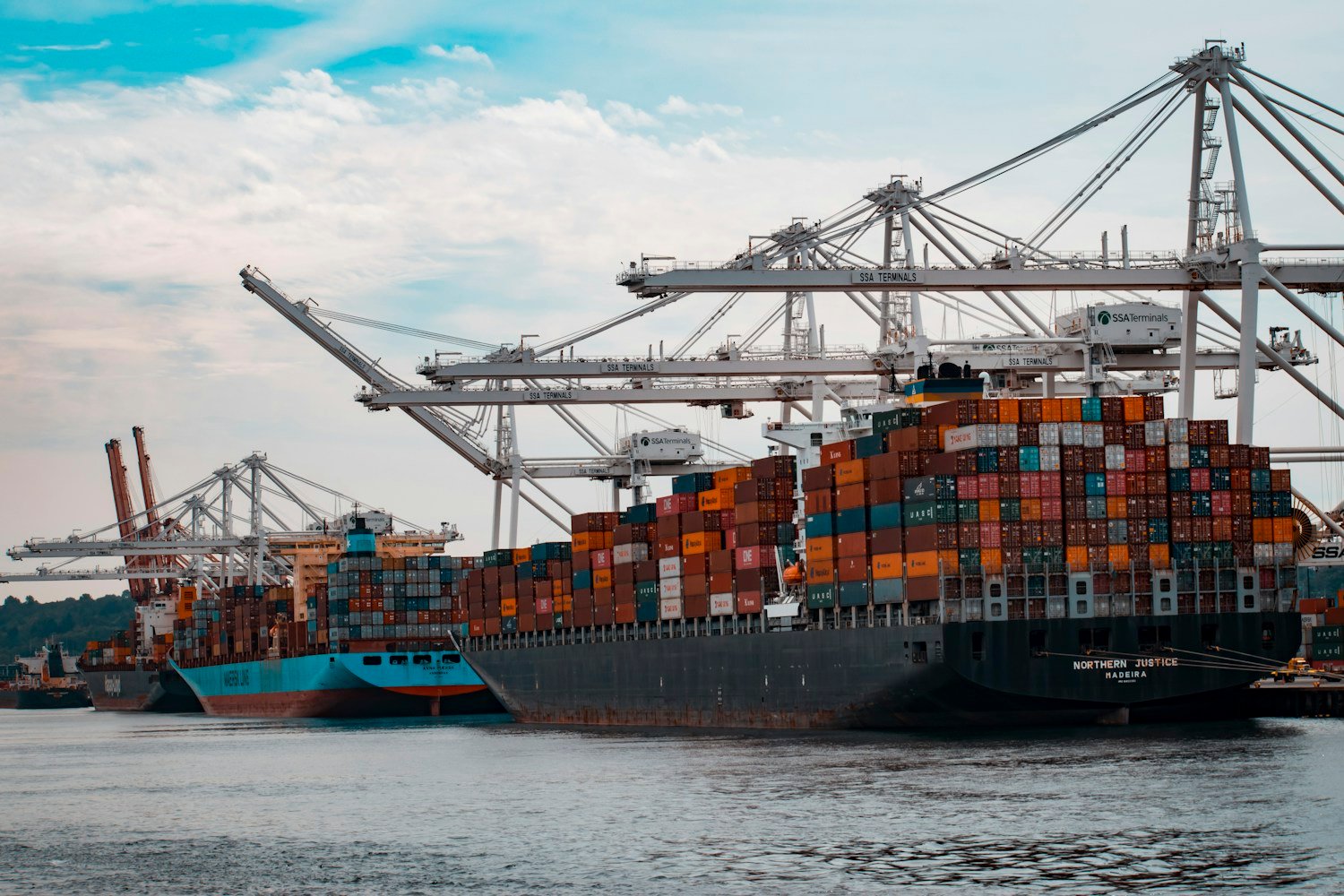
A port is more than a point on a map. Its role depends on shipping routes, road and rail connections, financing, and the rules that govern access. A useful analysis follows these relationships before assigning strategic significance to a single facility.
Capacity is not control
Ownership, operating rights, and military access are separate questions. Treating them as equivalent can produce a dramatic story and a weak conclusion. Contracts, public records, and shipping data offer a more careful starting point.
The question to carry forward
Which connections are difficult to replace, and under what conditions? That question makes resilience a subject of investigation rather than a slogan.
Start with a decision, not a map
Imagine an importer choosing between two gateways. The shortest sea route may not offer the most dependable delivery. A terminal can have spare capacity while the roads behind it are congested, the customs process is unpredictable, or the rail service runs too infrequently. The relevant network extends beyond the waterfront. An assessment that ends at the harbor entrance misses the connections that make the port useful.
This is a hypothetical comparison, but it identifies a practical research method. Define the decision and the time constraint first. Then trace the route from supplier to customer, documenting where delay, cost, or access can change. Strategic importance becomes a relationship between a facility and a particular need, rather than a permanent quality attached to a location.
Separate ownership, operation, and access
A company can own an equity stake without controlling every operational decision. An operator can manage cargo without determining a government's security policy. A state can seek access to a facility it does not own. These arrangements can interact, but the interaction needs evidence. The name of an investor alone cannot establish the terms of a concession, the limits of a regulator's authority, or the availability of military access.
A careful account therefore asks several different questions. Who can appoint management? Who can change prices or allocate berths? Which courts or regulators can intervene? What happens if the agreement ends? The answers may be spread across contracts, legislation, corporate filings, and public statements. Where the underlying documents are unavailable, the uncertainty should stay visible in the argument.
Test substitution under realistic conditions
An alternative port is only a useful substitute if it can handle the relevant cargo and connect to the required destination. Container terminals, bulk facilities, and specialized energy infrastructure are not interchangeable. Nor does a spare berth guarantee available vessels, suitable equipment, or onward transport. Switching can require new contracts, insurance, staffing, and customs arrangements.
The time horizon matters. A route that is impractical for next week's shipment might be viable after months of investment. Conversely, a temporary diversion may keep goods moving while imposing costs that cannot be sustained. A resilience assessment should distinguish immediate continuity, recovery, and longer-term adaptation. Each phase calls for different evidence and may imply a different policy response.
Follow the distribution of costs
Disruption does not affect every participant equally. A large firm with storage and several suppliers may absorb delay more easily than a smaller importer operating with little cash or inventory. A route can remain open while becoming unaffordable for some users. Aggregate cargo figures alone may conceal these differences.
Policy choices also distribute costs. Building another terminal may reduce one dependency but impose environmental or fiscal burdens elsewhere. Subsidizing a route may support continuity while benefiting some firms more than others. Asking who gains flexibility, who pays for it, and which alternatives were considered makes the analysis more useful than a simple declaration that additional infrastructure creates security.
Build an evidence trail
Begin with the facility's function, then assemble a record of its connections, governance, and realistic substitutes. Keep observed traffic separate from rated capacity. Distinguish an announced project from one that is financed, constructed, and operating. Compare figures only after checking the unit and reporting period. A larger number may reflect a different definition rather than a meaningful change.
The UNCTAD maritime transport series is a starting point for the wider system, not a substitute for local evidence. Port authority records, concession documents, customs data, and company disclosures can answer narrower questions. The strongest conclusion is often conditional: a particular dependency matters for a specified activity, over a stated period, under clearly described assumptions.